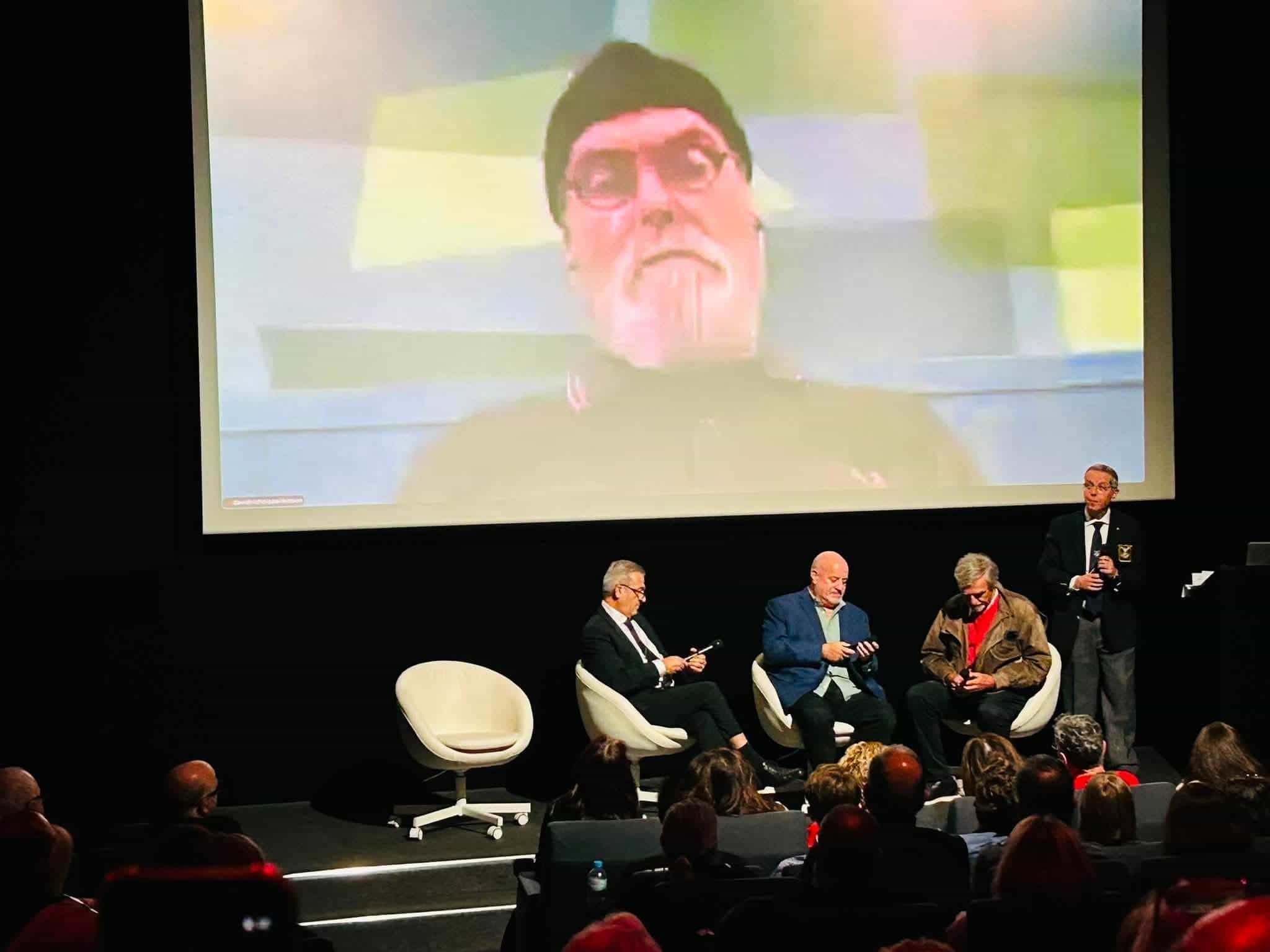


- Vibrant displays featuring spingambino and captivating illusions redefine stage performance
- The Technical Foundations of Illusionary Displays
- The Role of Interactive Systems
- The Artistic Dimensions of Spingambino-Inspired Performances
- The Evolution of Stagecraft and the Role of Virtual Reality
- Applications Beyond Entertainment: Corporate Events and Marketing
- Future Trends and the Continued Refinement of Immersive Experiences
Vibrant displays featuring spingambino and captivating illusions redefine stage performance
The world of entertainment is constantly evolving, seeking new ways to captivate audiences and deliver unforgettable experiences. A recent and increasingly popular phenomenon within this landscape is the integration of dynamic visual displays, particularly those featuring the intricate and mesmerizing artistry of spingambino. This relatively new art form blends illusion, technology, and performance, pushing the boundaries of what’s possible on stage and in immersive installations. These displays aren't simply about aesthetics; they represent a fundamental shift in how stories are told and how audiences interact with performance art.
The appeal of these displays lies in their ability to seamlessly merge the physical and digital realms. Utilizing cutting-edge projection mapping, specialized hardware, and creative choreography, performers are able to interact with illusions in real-time, creating a sense of wonder and disbelief. This isn't merely a spectacle of lights and colors, it’s a carefully constructed experience designed to evoke emotion, challenge perception, and leave a lasting impression on those who witness it. The growth of this aesthetic is driven by a public craving for novel experiences beyond traditional forms of entertainment.
The Technical Foundations of Illusionary Displays
Creating convincing and immersive illusionary displays requires a sophisticated understanding of several key technologies. Projection mapping, the foundation of much of this work, involves projecting images onto irregular surfaces, effectively turning objects into dynamic display screens. This isn’t simply pointing a projector at a wall; it demands precise calibration, content warping, and blending techniques to ensure images appear correctly from multiple viewpoints. The quality of the projectors themselves is also crucial. High brightness, high resolution, and accurate color reproduction are essential for creating vibrant and believable illusions. Beyond the projectors, powerful computers and specialized software handle the complex task of content creation and real-time manipulation.
Furthermore, the physical stagecraft plays a critical role. Scenic design must accommodate the projection mapping requirements, often incorporating surfaces with specific textures and geometries to enhance the illusion. Lighting design complements the projections, adding depth, shadows, and highlights that further blur the line between reality and illusion. Sophisticated tracking systems, utilizing cameras and sensors, allow performers to interact with the projected visuals in a responsive and engaging way. The integration of these technologies demands a collaborative effort between visual artists, technical directors, and performers.
The Role of Interactive Systems
One of the most exciting developments in illusionary displays is the incorporation of interactive systems. These systems allow audiences to actively participate in the illusion, influencing its evolution in real-time. This can take various forms, from simple gesture recognition that triggers changes in the projected imagery to more complex systems that utilize biometric data or mobile devices. Interactive elements amplify the sense of wonder and create a more memorable experience for the audience, transforming passive spectators into active participants in the performance. The programming behind these interactive elements requires careful consideration of user experience, ensuring that the interactions feel natural and intuitive.
The development of responsive environments also necessitates robust and reliable technology. Latency – the delay between an action and its corresponding reaction – must be minimized to maintain the illusion. Furthermore, the system must be capable of handling multiple simultaneous interactions without compromising performance. This requires significant processing power and clever software design. As technology continues to advance, we can expect to see even more sophisticated and immersive interactive illusions that blur the lines between the physical and digital worlds.
| Technology | Description |
|---|---|
| Projection Mapping | Projecting images onto irregular surfaces. |
| Gesture Recognition | Interpreting movements to control visual elements. |
| Real-time Tracking | Monitoring performer and object positions for interaction. |
| Biometric Sensors | Using physiological data to affect the display. |
The table above illustrates the core technologies employed in creating these displays. Each component is vital to achieving the desired effects, showing the complexity behind a seamless illusion. The successful execution requires effective, coordinated integration of all elements.
The Artistic Dimensions of Spingambino-Inspired Performances
Beyond the technical prowess, the artistic vision is paramount in crafting compelling illusionary displays. The core aesthetic, often associated with the term spingambino, draws inspiration from a variety of sources, including classic stage magic, contemporary digital art, and interactive installations. The key is to use technology not as a gimmick, but as a tool to enhance storytelling and create emotionally resonant experiences. The most successful installations feel less like technological demonstrations and more like carefully crafted narratives that unfold through visual spectacle.
Character design and narrative structure are also critical. Strong characters give the audience someone to connect with and care about, while a well-defined narrative provides context and meaning to the illusions. The use of symbolism, metaphor, and allegory can add layers of depth and complexity to the performance, encouraging audiences to engage with the material on a deeper level. Many artists are experimenting with non-linear narratives and audience-driven storytelling, allowing the audience to shape the evolution of the performance in real-time.
- The integration of live performance with digital visuals.
- The use of interactive elements to engage the audience.
- The exploration of non-linear narratives and emergent storytelling.
- The blending of different artistic disciplines (e.g., dance, music, visual arts).
- The creation of immersive environments that transport the audience to another world.
These elements combined exemplify the artistic focus of displays in this tradition. Successful performers consider these carefully when crafting the experience. The intent is to build a connection between the art and the attendee, and to leave a lasting emotional effect.
The Evolution of Stagecraft and the Role of Virtual Reality
The rise of illusionary displays has had a profound impact on traditional stagecraft. Historically, stage illusions relied on physical props, hidden compartments, and clever misdirection. While these techniques remain valuable, they are now being augmented by digital technologies that enable illusions on a scale and complexity previously unimaginable. Virtual reality (VR) and augmented reality (AR) are playing an increasingly important role in this evolution, offering new ways to enhance the immersive experience. For example, VR can be used to create entirely virtual environments that surround the audience, while AR can overlay digital information onto the real world.
However, the integration of VR and AR into live performances presents unique challenges. Maintaining synchronization between the physical and virtual worlds is crucial, and any lag or inconsistency can break the illusion. Furthermore, ensuring a comfortable and safe experience for the audience is paramount, as VR can cause motion sickness or disorientation in some individuals. Despite these challenges, the potential of VR and AR to transform stagecraft is immense. Imagine a performance where the stage itself transforms into a fantastical landscape, or where virtual characters interact with live actors in real-time. These possibilities are rapidly becoming realities.
- Design the virtual environment with seamless integration in mind.
- Calibrate the system to minimize latency and maintain synchronization.
- Implement robust safety measures to prevent motion sickness.
- Develop intuitive user interfaces for audience interaction (if applicable).
- Carefully test and refine the performance to ensure a polished and immersive experience.
These steps outline the essential elements of bringing virtual reality technology into the mix. It's a growing area with significant potential, but requires careful consideration and planning.
Applications Beyond Entertainment: Corporate Events and Marketing
The impact of illusionary displays extends far beyond the realm of traditional entertainment. These technologies are finding increasing applications in corporate events, marketing campaigns, and brand activations. The ability to create visually stunning and memorable experiences makes them a powerful tool for capturing attention and engaging audiences. A product launch, for example, can be transformed into an immersive spectacle that showcases the product’s features and benefits in a compelling and innovative way. Similarly, a corporate conference can be enhanced with interactive displays that provide attendees with a more engaging and informative experience.
The key to success in these applications is to tailor the experience to the specific brand and audience. The visual style, narrative, and interactive elements should all align with the brand’s identity and values. Furthermore, it’s important to measure the effectiveness of the experience, tracking metrics such as audience engagement, brand recall, and lead generation. Data-driven insights can inform future campaigns and ensure that these technologies are delivering a tangible return on investment. The use of spingambino-inspired aesthetics can add a touch of sophistication and intrigue to corporate events.
Future Trends and the Continued Refinement of Immersive Experiences
The future of illusionary displays is bright, with several exciting trends on the horizon. Advances in artificial intelligence (AI) are enabling the creation of more responsive and intelligent interactive systems. AI can be used to analyze audience behavior in real-time and adapt the performance accordingly, creating a truly personalized experience. Furthermore, the development of more powerful and affordable hardware is making these technologies accessible to a wider range of artists and organizations. We can expect to see a proliferation of smaller-scale, immersive installations in public spaces, museums, and galleries.
The line between the physical and digital worlds will continue to blur, as new technologies emerge that allow for even more seamless integration. Holographic displays, for example, promise to create three-dimensional images that appear to float in mid-air. Brain-computer interfaces (BCIs) could eventually allow audiences to control the illusions with their thoughts. As these technologies mature, they will unlock new creative possibilities and transform the way we experience entertainment, education, and communication. The exploration of this boundary will continue to be a driving force behind innovation in the realm of immersive performance art.